

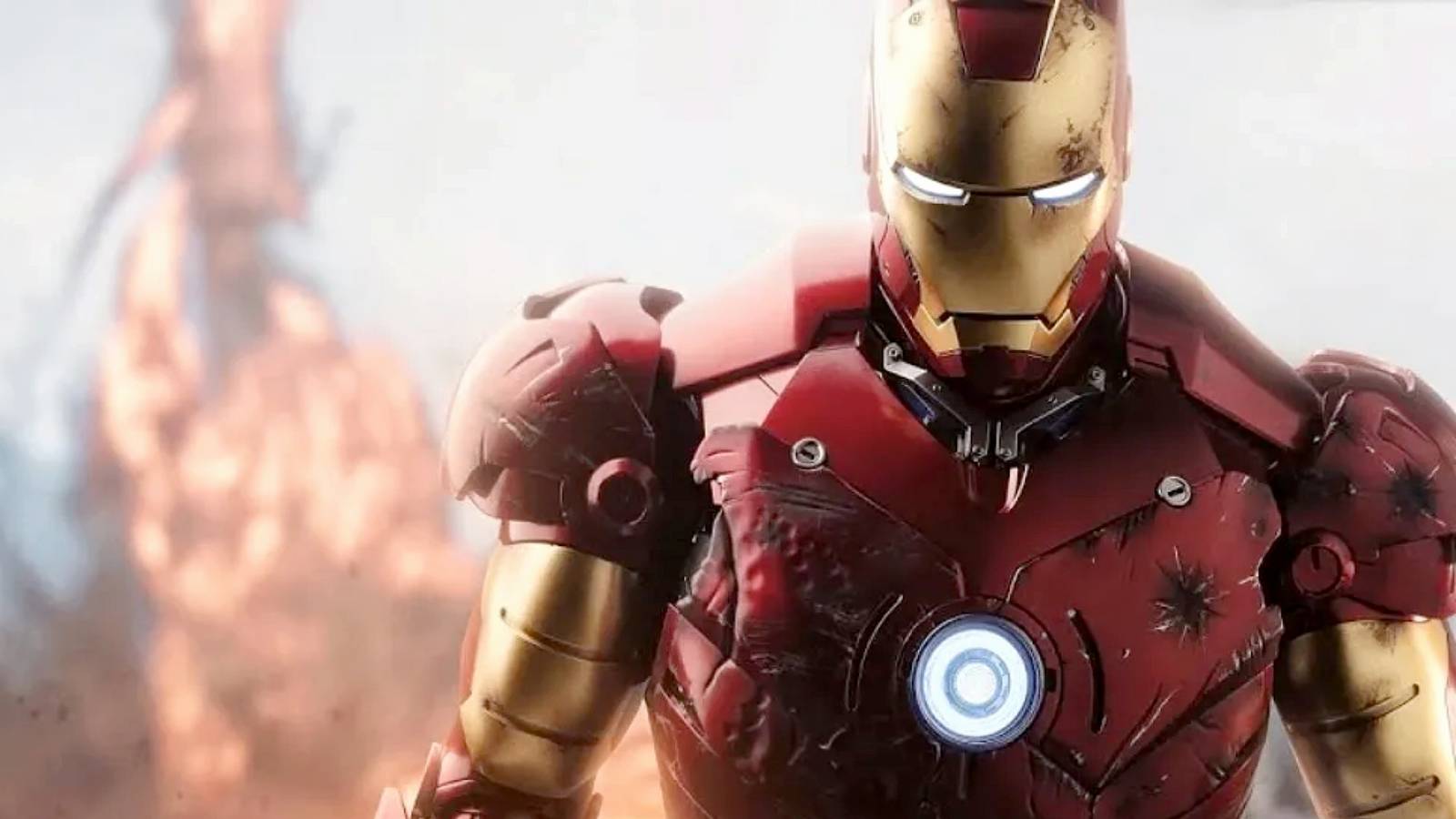
Hollywood spent the 2010s chasing the lightning that the MCU’s Iron Man captured in 2008. Audiences loved a swaggering hero, glossy tech, and a promise that one movie was only the beginning of something massive. Studios responded by reshaping existing properties and inventing new ones that leaned hard into charm, quips, and expandable universes.
Some movies borrowed the MCU timeline’s tone, others the structure, and a few straight up copied the armor fantasy. Not all of them failed, but almost all revealed how difficult Iron Man was to replicate without Robert Downey Jr. or Marvel’s careful planning. These movies are united by ambition more than quality, with most missing their mark entirely.
Green Lantern (2011)
Green Lantern was positioned as DC’s answer to Iron Man, complete with a cocky lead, sarcastic banter, and a glowing suit powered by imagination. Hal Jordan’s confidence, humor, and reckless charm were clearly meant to echo Tony Stark. Meanwhile, the film aggressively set up a sprawling cosmic universe.
Oa, the Corps, and multiple villains were introduced as if sequels were guaranteed. Like Iron Man, Green Lantern leaned on flashy effects and a wisecracking protagonist to sell a relatively obscure hero. However, unlike Iron Man, the tone clashed with its mythology, and the digital suit undercut the character appeal.
Instead of making audiences excited for more, Green Lantern felt like homework. The ambition was obvious. Sadly, the execution showed how copying the surface of Iron Man without its character grounding was a recipe for disappointment from studios chasing trends blindly.

Iron Hero, also known as Metal Man, barely hid its intentions. It arrives during the height of Iron Man hype with a near identical premise. A billionaire genius builds a powered suit, battles enemies using advanced tech, and poses heroically in glossy armor.

9 Movies That Tried To Be The Next The Avengers
After The Avengers changed blockbuster storytelling, these movies tried to copy its team-up formula, with mixed and often disastrous results.
The similarities were so blatant that the movie felt less inspired and more photocopied. Unlike Tony Stark, the lead lacked charisma, wit, and emotional stakes, leaving the action feeling hollow. The production values were cheaper, the story thinner, and the world building nonexistent.
Where Iron Man balanced humor with character growth, Iron Hero rushed from set piece to set piece without purpose. It was not trying to be the next Iron Man in spirit or tone. It was simply trying to rip off the superhero movie with a much smaller budget.
The Amazing Spider-Man (2012)

The Amazing Spider-Man took a noticeably different approach to Peter Parker. It reshaped him into a cooler, quippier figure closer to Tony Stark than the traditional awkward teen. This version leaned into sarcasm, confidence, and rapid-fire dialogue, clearly chasing the same audience response Iron Man earned.
The Amazing Spider-Man also laid heavy groundwork for a larger franchise. It teased sequels, villains, and secret organizations before earning them. Like Marvel Studios’ early phases, it prioritized setup alongside origin storytelling. Though Andrew Garfield brought charm and energy, the attempt to force a cinematic universe made the movie feel overstuffed.
Iron Man made expansion feel organic. The Amazing Spider Man made it feel mandatory. In trying to replicate Iron Man’s success, the film lost some of the simplicity that made Spider-Man endure for decades in comics films and popular culture for generations.
Power Rangers (2017)

Power Rangers was not subtle about its Iron Man influence, especially in how it framed high-tech armor and massive mechanical battles. The Rangers suits looked strikingly similar to Iron Man, with a glowing central power source and Iron Man-style mask opening mechanisms. The reboot also aimed for a character first origin.
Power Rangers spent a lot of time on humor, teen angst, and banter before fully embracing spectacle. That balance mirrored what made Iron Man work: grounding the tech in personality. However, the movie struggled to reconcile gritty realism with colorful franchise roots.
The humor landed unevenly, and the payoff felt rushed. Power Rangers wanted to be heartfelt, funny, and franchise ready in one swing. In chasing the Iron Man tone and structure, it forgot that its strength was sincerity over swagger, which had defined the brand around the world for years.
Chappie (2015)

Chappie explored a darker variation on the Iron Man fantasy by asking what happens when advanced machines develop autonomy and moral confusion. Instead of a heroic billionaire controlling the tech, the technology itself became unpredictable, emotional, and dangerous. The film echoes fears embedded in Iron Man lore, where suits and artificial intelligence risk turning against their creators.
Neill Blomkamp leaned into chaos, violence, and ethical unease rather than wish fulfillment. In that sense, Chappie feels like the Iron Man nightmare scenario stretched into a full narrative. The problem was tone.
Where Iron Man balanced consequence with fun, Chappie embraced bleakness almost exclusively. It is a fascinating counterpoint to the Iron Man influence. It shows how easily shiny tech heroes can curdle into cautionary tales when creators lose sight of optimism and hopeful genre roots entirely.
Transcendence (2014)

Transcendence feels like an attempt to translate Iron Man’s technological obsession into a more “adult,” philosophical blockbuster. Instead of flashy suits and punchy one-liners, the film centers on artificial intelligence, digital immortality, and the terrifying potential of unchecked innovation. Johnny Depp’s Will Caster functions like a stripped-down Tony Stark.
He’s a genius whose creations outpace humanity’s ability to control them. Transcendence leans heavily into the idea that technology can solve everything, right up until it becomes the problem. In many ways, Transcendence plays like Iron Man without the fun, replacing charm and spectacle with cold inevitability.
It even mirrors Stark’s relationship with JARVIS by literalizing the fusion between man and machine. While the execution was divisive, the ambition was clear. This was Iron Man’s tech optimism pushed to its bleakest logical extreme, aimed squarely at an older, more serious audience.
Blue Beetle (2023)

Blue Beetle is one of the clearest modern examples of Iron Man’s influence on superhero storytelling. Jaime Reyes’ powers are entirely armor-based, driven by an advanced alien AI that talks directly to him, analyzes threats, and adapts in real time. The suit’s shifting weapons, flight systems, and tactical readouts feel ripped straight from Tony Stark’s playbook.

10 Best Superhero Movies That Never Got A Sequel
From cult classics to MCU casualties, these superhero movies had worlds worth expanding but studio decisions ensured their stories ended far too soon.
Like Iron Man, Blue Beetle emphasizes the learning curve of mastering a powerful suit rather than innate heroism. However, Blue Beetle swaps billionaire privilege for a working-class perspective. It instead roots the tech fantasy in family and community.
Blue Beetle also leans heavily on humor, banter, and personality-driven action, echoing Marvel’s early formula. While it doesn’t fully escape Iron Man’s shadow, Blue Beetle succeeds by reframing that template through cultural specificity and emotional warmth, proving the armor-based superhero model still has life beyond Stark himself in modern comic book cinema.
Upgrade (2018)

Upgrade is essentially Iron Man without the armor. It distills Tony Stark’s relationship with technology into something leaner and far more brutal. The film’s protagonist survives thanks to an implanted AI that speaks directly into his head, analyzes combat scenarios, and physically overrides his body when necessary.
The internal conversations between man and machine mirror Tony’s banter with JARVIS. Meanwhile, the sleek HUD visuals and predictive combat feel unmistakably Stark-inspired. What makes Upgrade stand out is its stripped-down execution. There are no suits or billion-dollar toys, just invasive technology and escalating loss of control.
Where Iron Man frames AI as a helpful partner, Upgrade treats it as an increasingly dominant force. The result is a grim, kinetic sci-fi thriller that exposes the horror lurking beneath Iron Man’s power fantasy. It proves that the same core idea can produce radically different tones, depending on how much optimism the story allows itself to have at all.
Sherlock Holmes (2009)

Sherlock Holmes may not feature powered armor or futuristic tech, but it absolutely functions as an Iron Man prototype in disguise. Robert Downey Jr.’s portrayal of Holmes is brilliant, arrogant, fast-talking, and perpetually several steps ahead of everyone else in the room. Guy Ritchie’s action-heavy approach reimagined the character as a kinetic problem-solver.
It’s complete with slow-motion breakdowns of fights that resemble Tony Stark’s tactical combat analysis. Sherlock Holmes also aimed to establish a franchise built around personality as much as plot, just as Iron Man did one year earlier. Downey’s performance bridges the two characters so seamlessly that it’s easy to see how Sherlock Holmes reinforced Hollywood’s obsession with the Stark archetype.
Genius heroes, verbal sparring, and stylized intellect became the selling point. In hindsight, it helped cement the template that studios would chase for the next decade of blockbuster filmmaking. Though not a superhero movie, it is one of the clearest attempts to recreate Iron Man’s success.

- Release Date
-
May 2, 2008
- Runtime
-
126 minutes
Source link
